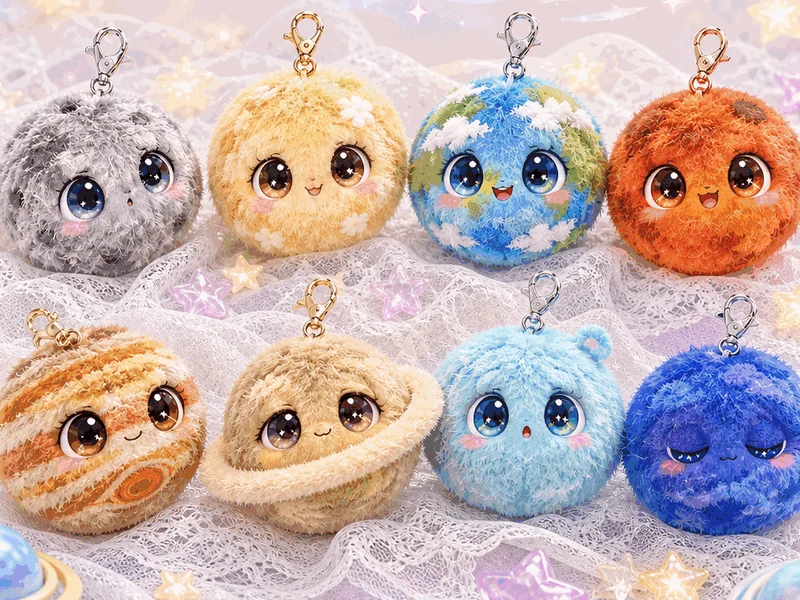
AI plush toys
Give your character a voice. Define how children interact with it, then choose the voice and response behavior for the sample.
Explore AI plush toys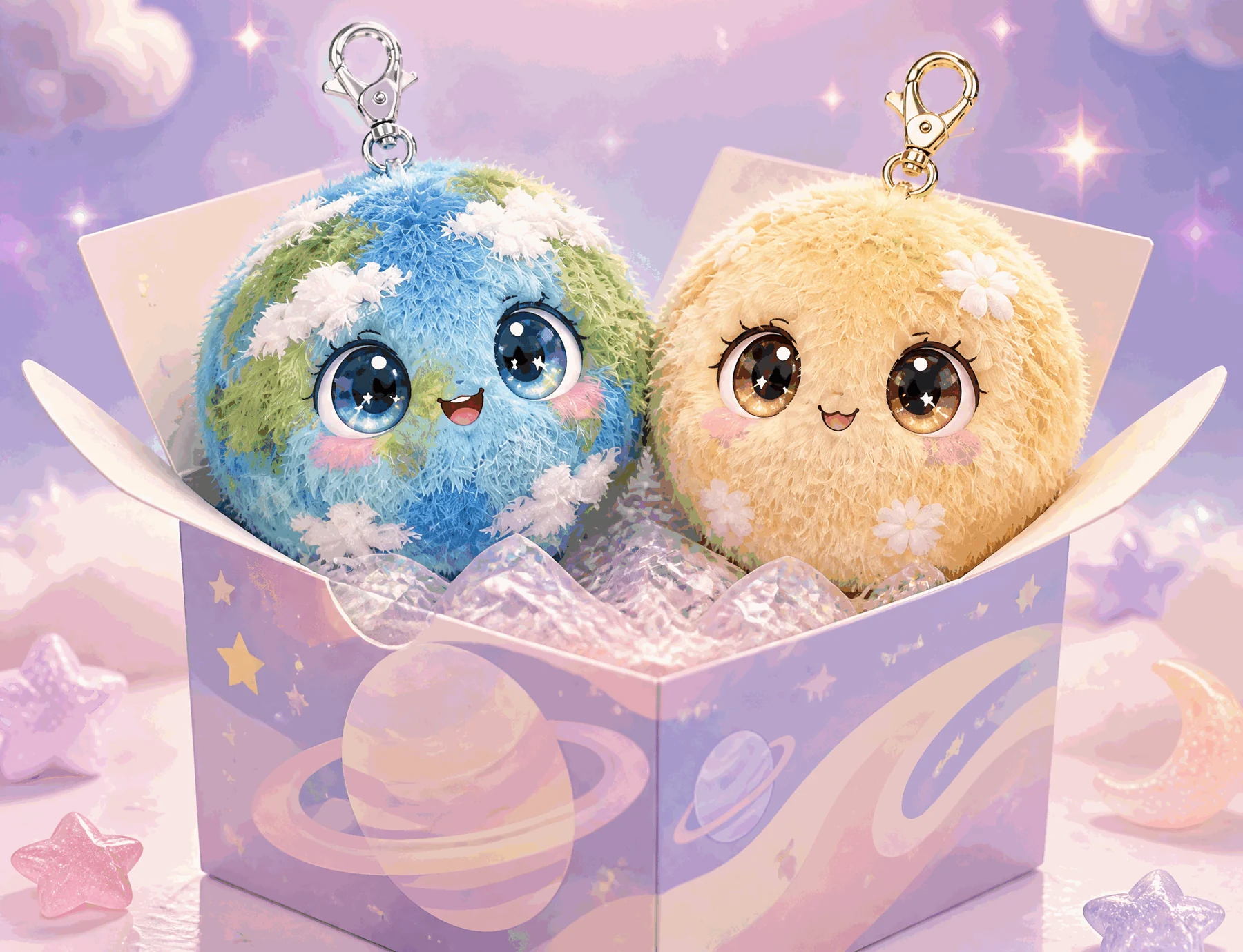
Develop AI plush toys, learning devices and story players with an OEM and ODM partner in Shenzhen.
Discuss your projectXinditai · Shenzhen, China
Start with the experience you want children to have. We can help you choose a product format and a sound mechanism that fit the brief.
Give your character a voice. Define how children interact with it, then choose the voice and response behavior for the sample.
Explore AI plush toys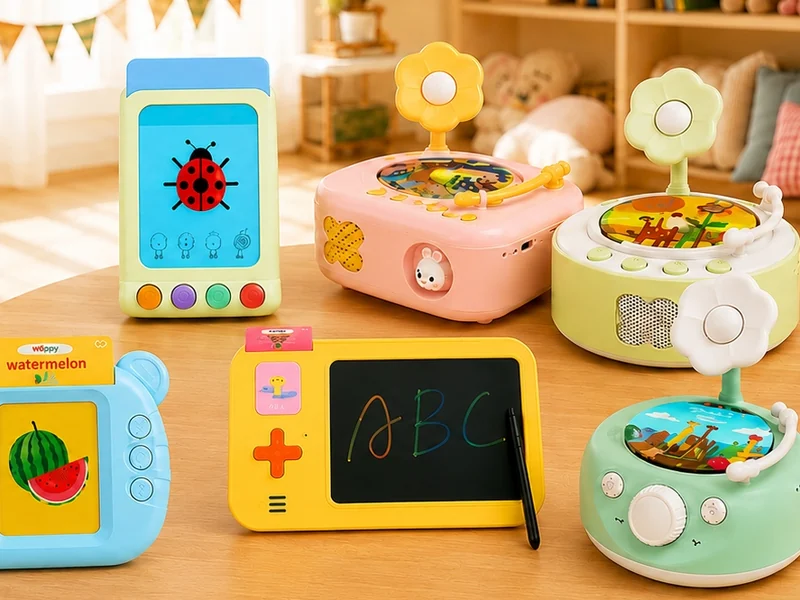
Pair songs, spoken prompts and learning activities with controls that children can use on their own.
Explore learning devices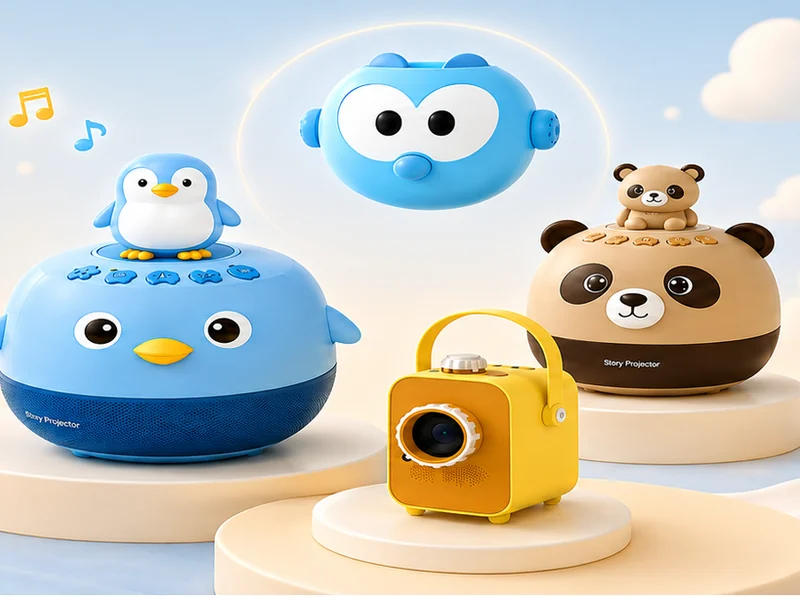
Choose the playback controls, speaker and enclosure around how children will hold, carry and use the product.
Explore story playersCompare product formats and see what to include in a brief before you request a quote.
Find a starting point for your audience, then see what to review before production.
Review the sound, materials and controls in a physical sample before moving to production.
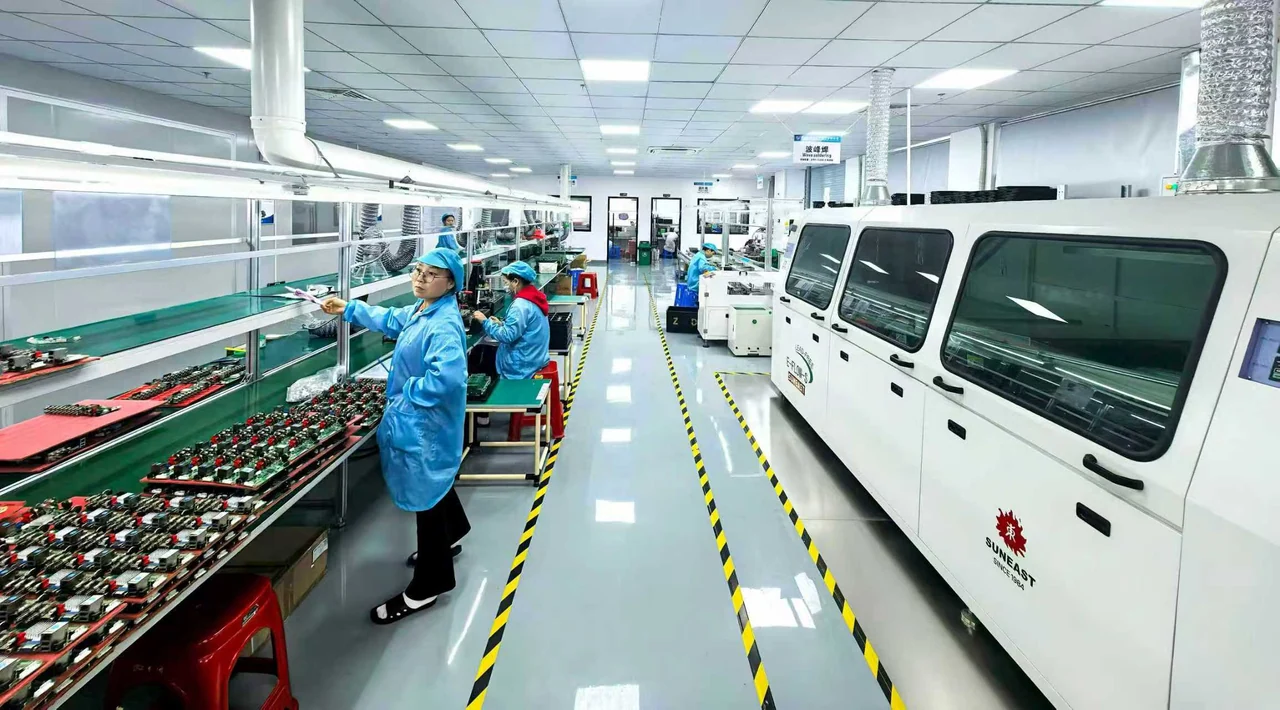
Tell us your product format, target market, audio languages and approximate quantity.
Check the look, sound and controls together. Record the changes you want before approval.
Agree on specifications, packaging and inspection requirements with your team before production.
See manufacturing and customizationConnect the character, the content and the action a child takes. The same idea can lead to different physical formats.
Describe the expression, silhouette and scale that make the character yours. If the project uses a licensed character, share the artwork and identify who approves adaptations to fabric, embroidery or packaging.
Write what the child does first and what should happen next. A press, a card selection and a conversation need different controls and electronics. List how playback repeats, ends and resumes after interruption.
Choose who provides the script, recordings and language review. Give each track a stable identifier so audio, artwork and electronics can use the same reference throughout sampling.
Bring the appearance, sound and controls into the same review. Record the sample version and open points together. This gives the next sample a clear purpose and the production team a reference they can use.
Use the reference that best matches how the product will be used.
| Starting point | A useful format to explore | Prepare for the first conversation |
|---|---|---|
| A character or mascot | AI plush and plush audio accessories | Character views, intended size, attachment and interaction |
| A language or learning activity | Learning devices and talking controls | Target age, a sample activity, content list and language requirements |
| A story or music collection | Story players and listening products | Track library, selection method and desired playback routine |
| A bedtime or gift routine | Bedside audio products and character gifts | Where it is used, how it starts, and what happens at the end |
Choose a starting point and carry these details into your inquiry.
Practical guides for sourcing teams, toy brands and content owners.
Fix the configuration, review criteria and evidence before a sample arrives.
See how fabrics, tooling, components and packaging affect the quantity discussion.
Compare trigger logic, storage, sound, power and the update method.
Identify the audience, essential interaction and decisions your sample needs to answer.
Keep scripts, track identifiers and language approval connected.
Agree on the voice, listening routine and operating model.
What to prepare before you request a sample or quote.
Yes. Share the artwork you can use, plus any color, size and material requirements you already have.
Yes. Include the audio languages, number of clips and where each clip should play.
Yes. We can discuss sample scope, cost and timing after reviewing your concept.
It depends on the design, components and packaging. Include your estimated order quantity so we can review it with you.
Timing depends on the design, components and sample revisions. Share your target date with your brief.
Tell us the destination market, target age and any test or documentation requirements so we can review them before sampling.
Choose how a child reaches the content, then review the physical format and electronics together.
Connect a printed cue, button or reading action to the sound a child expects to hear. Use a page to audio map to keep the artwork, recordings and language editions aligned.
Plan a sound book ↗Map words, pictures or learning activities to an agreed card sequence. Review how the child starts an activity, repeats the prompt and changes their selection.
Explore cards and other audio formats ↗Specify the trigger, speaker, available space and power before choosing a module. Check the sound with the electronics installed inside the intended product.
Choose the audio hardware ↗Plan the start, playback and end of a listening or light experience. Keep the controls and instructions focused on the routine your audience needs.
Find a development route ↗Read detailed notes on product cost, connected services, card learning and plush development.
Understand how materials, assembly, content, electronics and packaging contribute to the quote.
Set the product, service, content and support responsibilities before sampling.
Connect card identifiers, artwork, audio and handling in a complete learning activity.
Review the character, electronics, voice and sample record as one product.
Choose the format that fits your character, story or learning program.
Build a character whose appearance, touch and voice belong together.
Connect each printed cue with the right sound and a reading action children can follow.
Plan a complete activity, from choosing a card to understanding the response.
Give stories a physical home and a clear way to choose, repeat and stop them.
Fit the trigger, recording and audio path to the product around the module.
Build around one everyday routine, then make the controls easy to understand.
Send a short brief with your product type, target market and estimated quantity. Add artwork or reference photos when you have them.
Use the inquiry form or email ryan@xinditai.com.